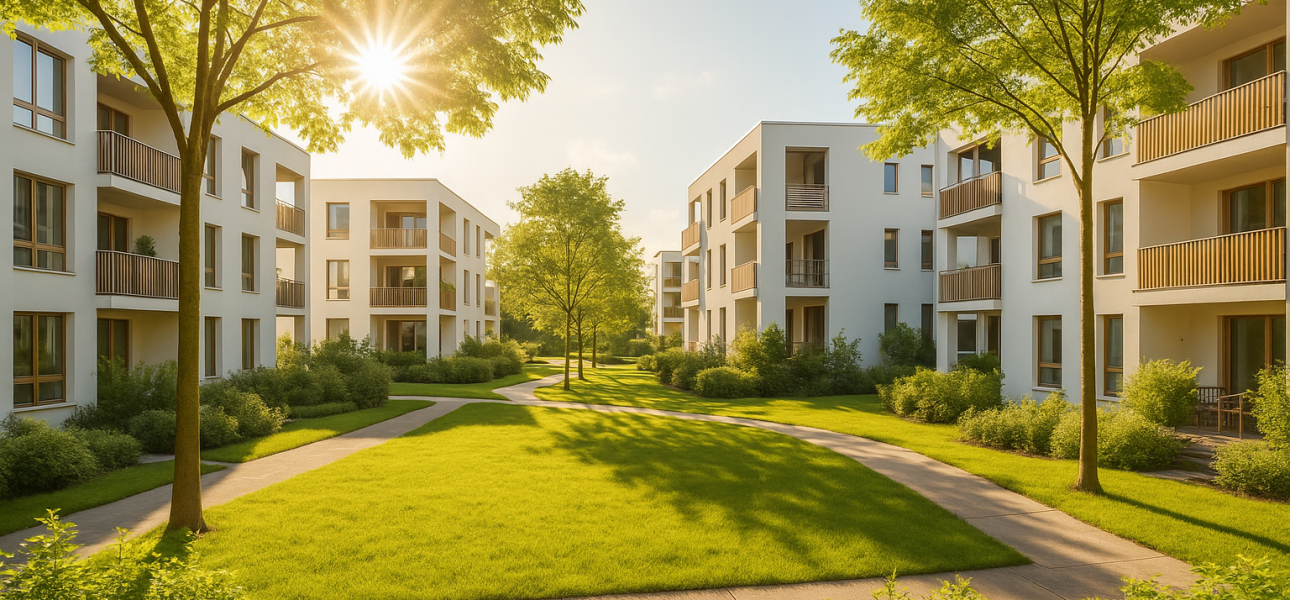
How Design Shapes Well-Being in Real Estate
Real estate is more than bricks, concrete, and steel—it is about creating spaces where people live, work, and thrive. The design of a property has a direct impact on the physical, mental, and emotional well-being of its occupants. From natural light to thoughtful layouts, design choices influence productivity, happiness, and overall quality of life.
- Natural Light and Ventilation
Access to sunlight and fresh air plays a crucial role in occupant well-being. Well-positioned windows, open courtyards, and cross-ventilation reduce dependence on artificial lighting and air conditioning. Studies show that exposure to natural light improves mood, enhances productivity, and supports healthy sleep cycles.
- Spatial Layout and Flow
The way spaces are organized affects comfort and ease of use. Open floor plans encourage interaction and collaboration, while private corners provide areas for focus and relaxation. In residential design, thoughtful layouts promote family bonding yet allow for personal space. In commercial spaces, efficient layouts improve workflow and reduce stress.
- Biophilic Design and Connection with Nature
Bringing nature into built environments is no longer a trend—it’s a necessity. Green walls, indoor plants, rooftop gardens, and water features create calming atmospheres. These biophilic elements reduce stress, enhance creativity, and provide a sense of balance in fast-paced urban life.
- Acoustic Comfort
Noise pollution can have a negative impact on health and well-being. Smart design solutions such as soundproofing, strategic zoning, and the use of natural sound-absorbing materials ensure quiet, peaceful spaces that support focus, rest, and relaxation.
- Color, Materials, and Aesthetics
Colors and textures shape emotions. Warm tones create a sense of coziness, while cool hues promote calmness. Natural materials such as wood, stone, and bamboo not only enhance beauty but also provide healthier, toxin-free environments. Aesthetically pleasing design promotes pride of ownership and a positive mindset.
- Wellness-Oriented Amenities
Modern real estate developments now incorporate gyms, yoga spaces, meditation zones, and wellness gardens. These spaces encourage active, healthy lifestyles and build community connections—key elements of long-term well-being.
- Smart and Sustainable Living
Technology enhances comfort and reduces stress. Smart home systems that control lighting, temperature, and security improve convenience while conserving resources. Sustainable features—like energy-efficient appliances and water-saving systems—contribute to both environmental responsibility and financial peace of mind.
Conclusion
In real estate, design is not just about visual appeal—it is about creating environments that nurture human well-being. Spaces filled with light, air, nature, comfort, and thoughtful amenities enhance quality of life and contribute to healthier, happier communities.
As developers and architects continue to embrace wellness-driven design, real estate will evolve from being a place to live or work into a space that truly supports human flourishing.