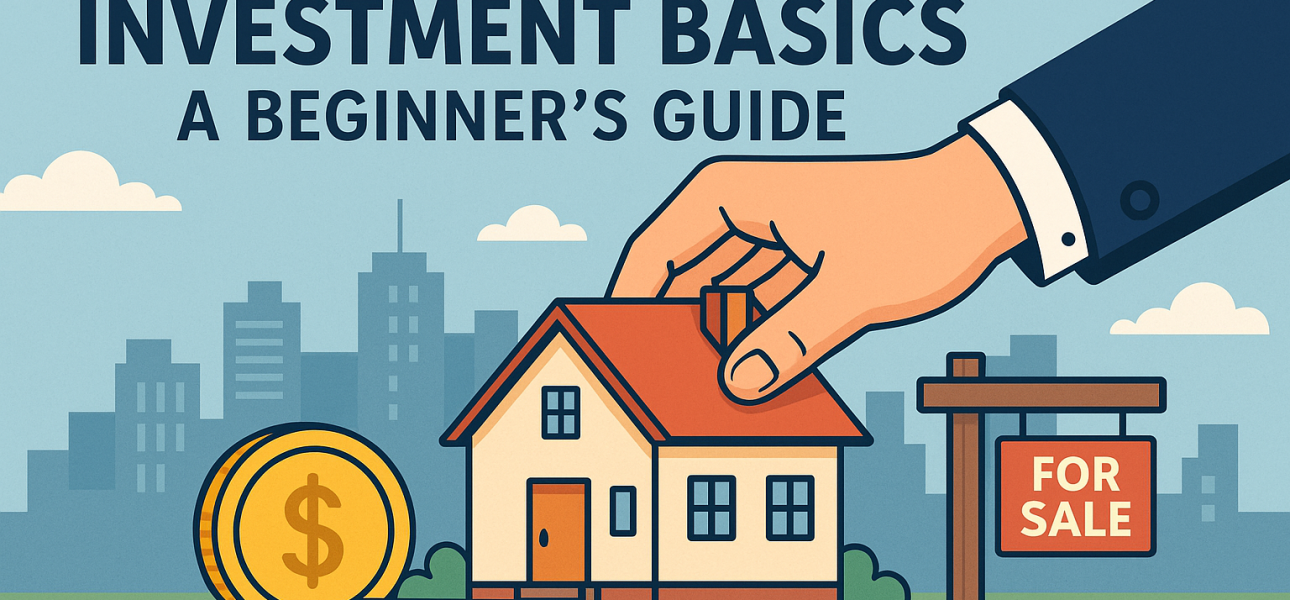
Real Estate Investment Basics: A Beginner’s Guide
Real estate has long been considered one of the most reliable paths to building wealth. Unlike other forms of investment, property offers a unique combination of stability, potential appreciation, and income generation. For beginners, understanding the fundamentals of real estate investment is the first step toward making informed decisions and building long-term financial security.
Why Invest in Real Estate?
-
Tangible Asset – Unlike stocks or bonds, real estate is a physical asset you can see, use, and improve.
-
Steady Cash Flow – Rental properties can generate consistent monthly income.
-
Appreciation – Over time, property values generally increase, especially in high-demand areas.
-
Tax Advantages – Investors benefit from deductions on mortgage interest, depreciation, and expenses.
-
Leverage Opportunities – Real estate allows you to use borrowed money to purchase and grow your portfolio.
Types of Real Estate Investments
-
Residential Properties – Single-family homes, apartments, and condos rented or sold to individuals.
-
Commercial Properties – Offices, retail spaces, and warehouses leased to businesses.
-
Industrial Real Estate – Factories, distribution centers, and manufacturing facilities.
-
Land Investments – Purchasing undeveloped land for future development or resale.
-
REITs (Real Estate Investment Trusts) – A hands-off way to invest in real estate through publicly traded funds.
Key Factors to Consider Before Investing
-
Location – The golden rule of real estate. Proximity to schools, transport, business hubs, and amenities drives value.
-
Market Trends – Research supply-demand dynamics, price trends, and rental yields.
-
Financing Options – Understand mortgages, interest rates, and down payment requirements.
-
Risk Management – Be prepared for vacancies, maintenance costs, and market fluctuations.
-
Exit Strategy – Decide whether your goal is long-term rental income, short-term resale, or portfolio diversification.
Steps to Get Started
-
Educate Yourself – Read, attend seminars, and consult with experienced investors.
-
Define Your Goal – Passive income, capital appreciation, or both?
-
Set Your Budget – Know how much you can invest and explore financing options.
-
Research Markets – Identify growth areas with high rental demand or appreciation potential.
-
Start Small – A single rental property or REIT can be the best entry point.
-
Work with Professionals – Realtors, financial advisors, and property managers can help you avoid costly mistakes.